
Clinical Research / Enterprise SaaS
Enterprise Clinical Research Platforms
As Associate Design Director at IQVIA, I led UX direction for enterprise clinical research platforms: a global environment of complex clinical and data workflows, multiple product modules, and strict accessibility requirements.
Across three years, I led design teams that ranged from four to twelve designers depending on the product area, focused on the foundations that hold an enterprise suite together: shared interaction patterns, design system structure, and accessibility built into everyday product practice.
Design highlights
What changed in the experience.
Led design teams of 4 to 12 designers
Shared interaction patterns across modules
Design system foundations
Accessibility-first practice
Project Overview
IQVIA's product environment spanned enterprise clinical research platforms: healthcare software modules with complex clinical and data workflows under real enterprise and regulatory constraints. The work needed to improve consistency and usability across many product areas at once.
My Role
Day to day, I set UX direction and design system foundations across the product organization, managing design teams that ranged from four to twelve designers depending on the product area. My focus was setting direction others could build on: shared interaction patterns, design system structure, and accessibility-first practice.
The Challenge
The main challenge was bringing consistency to complex clinical research workflows across multiple modules and teams, without losing the depth and precision the domain required.
Design Process
I worked across product areas to find repeated interaction needs, define shared patterns, and make accessibility a practical part of how teams designed. The work moved from isolated product problems toward reusable foundations that multiple teams could adopt.
Solution
The result was a set of design system foundations, reusable interaction patterns, accessibility-first practices, and a clearer UX direction shared across multiple clinical research product surfaces.
Depth
What was complex about IQVIA, and what I helped clarify.
- The platforms spanned multiple clinical research modules with complex healthcare and data workflows.
- Shared patterns had to work across product areas and multiple design teams.
- Accessibility had to be part of everyday product practice, not a final compliance check.
- Reusable interaction patterns shared across product areas and teams.
- Design system foundations for more consistent enterprise experiences.
- Accessibility-first practices embedded in the product work.
Established clearer UX direction, shared design foundations, and accessibility practices across enterprise clinical research products, while leading and growing multiple design teams.
Outcome
The work created more consistent enterprise healthcare experiences and stronger design foundations for the teams that continued to build on them.
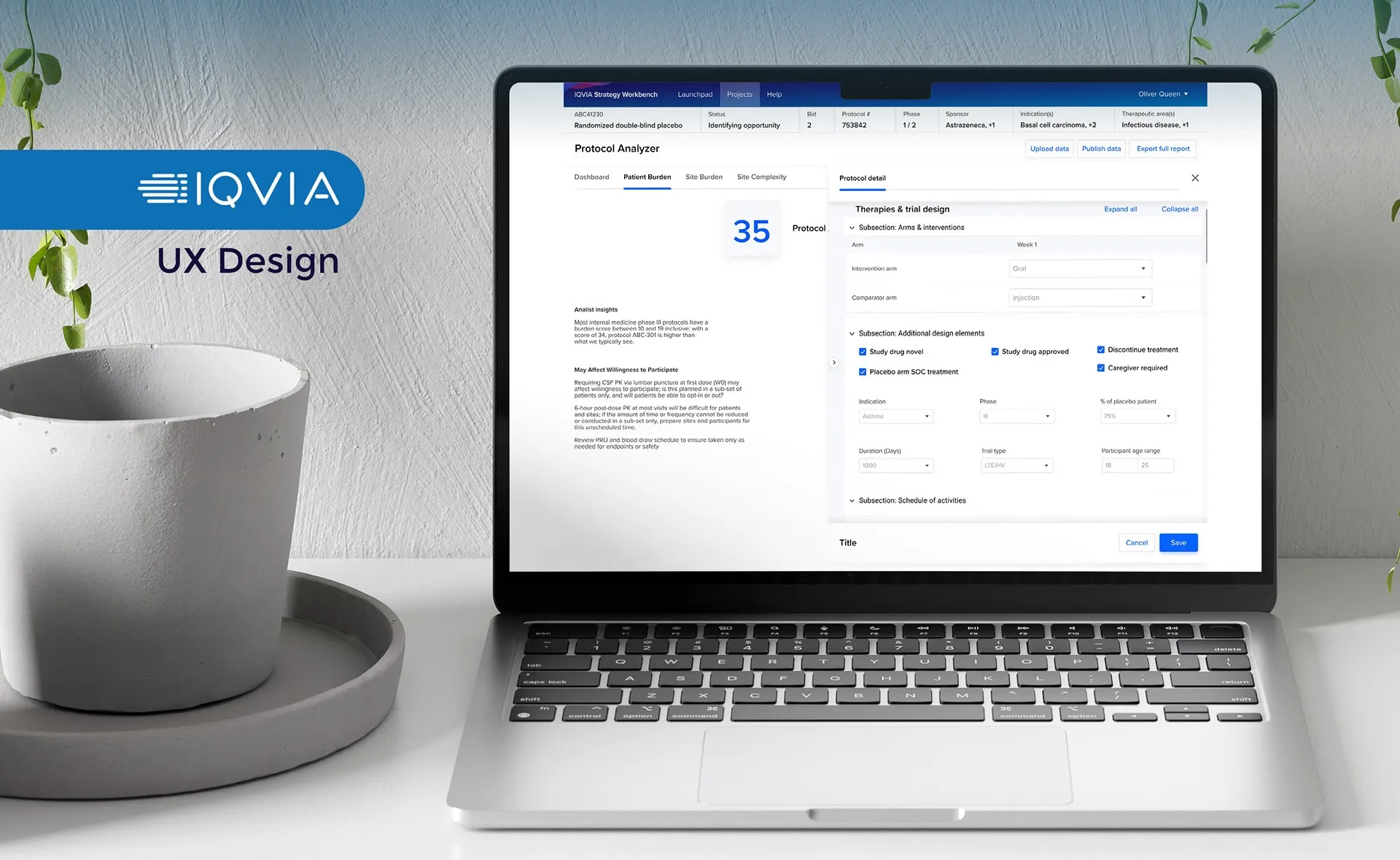
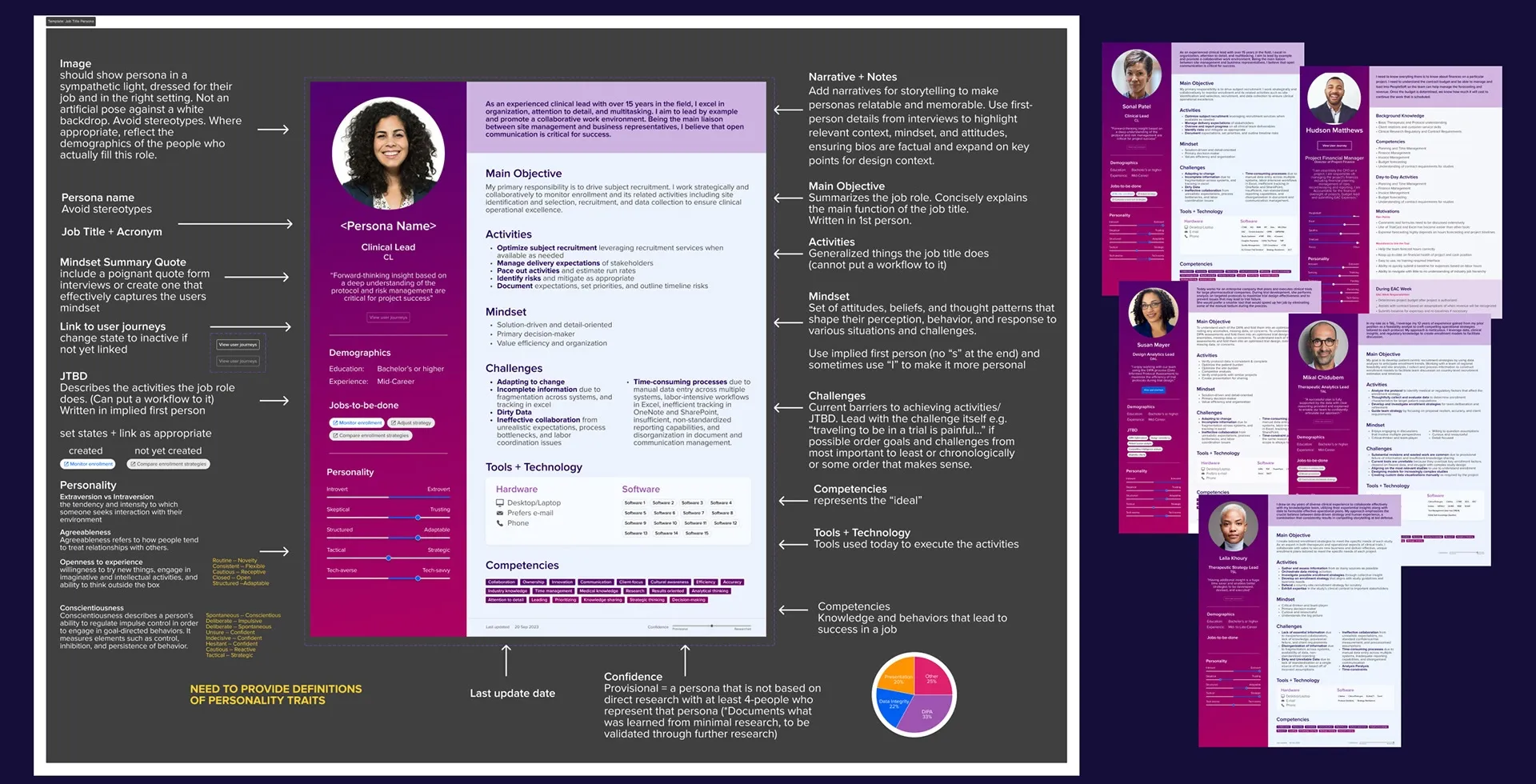
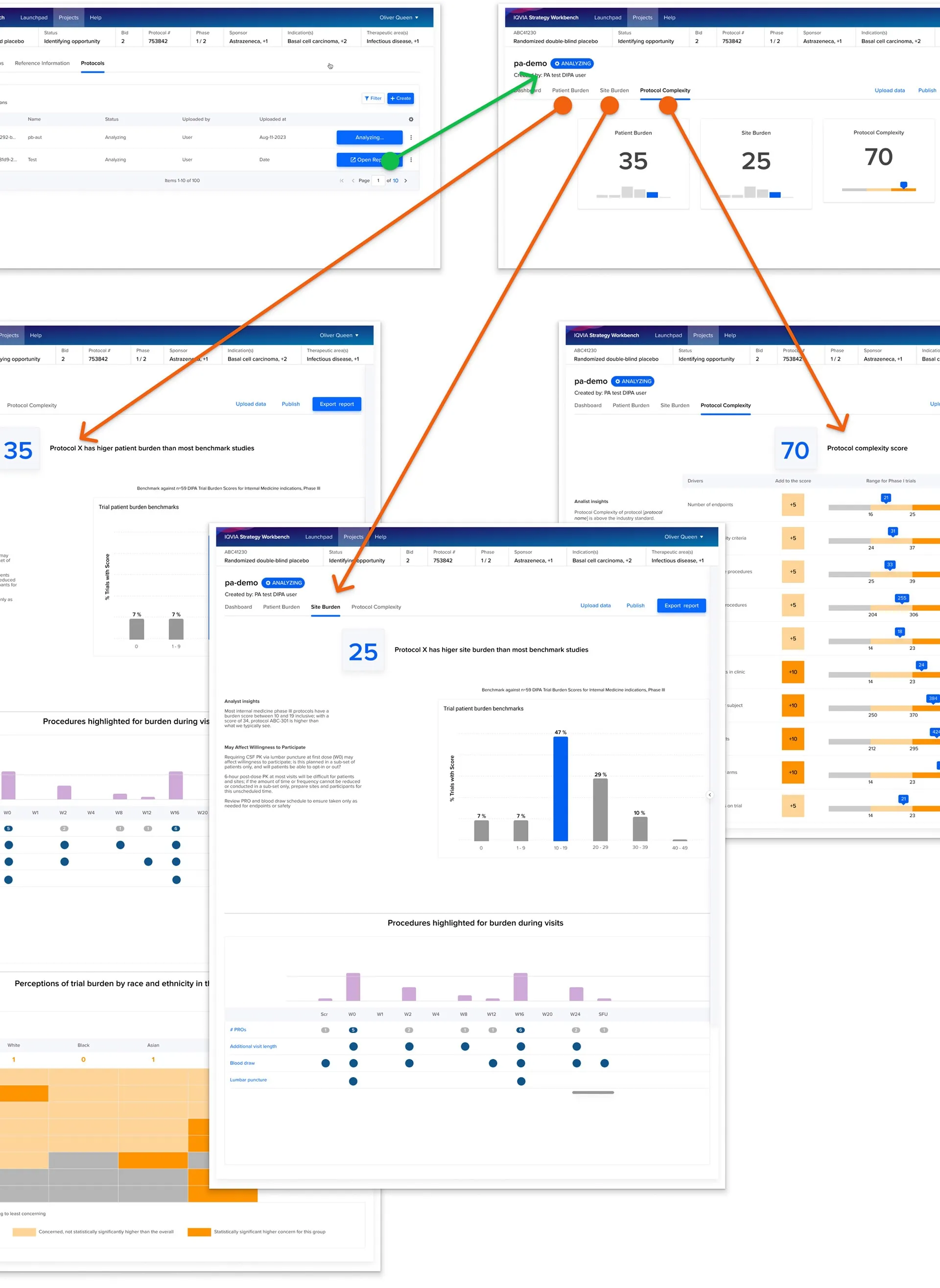
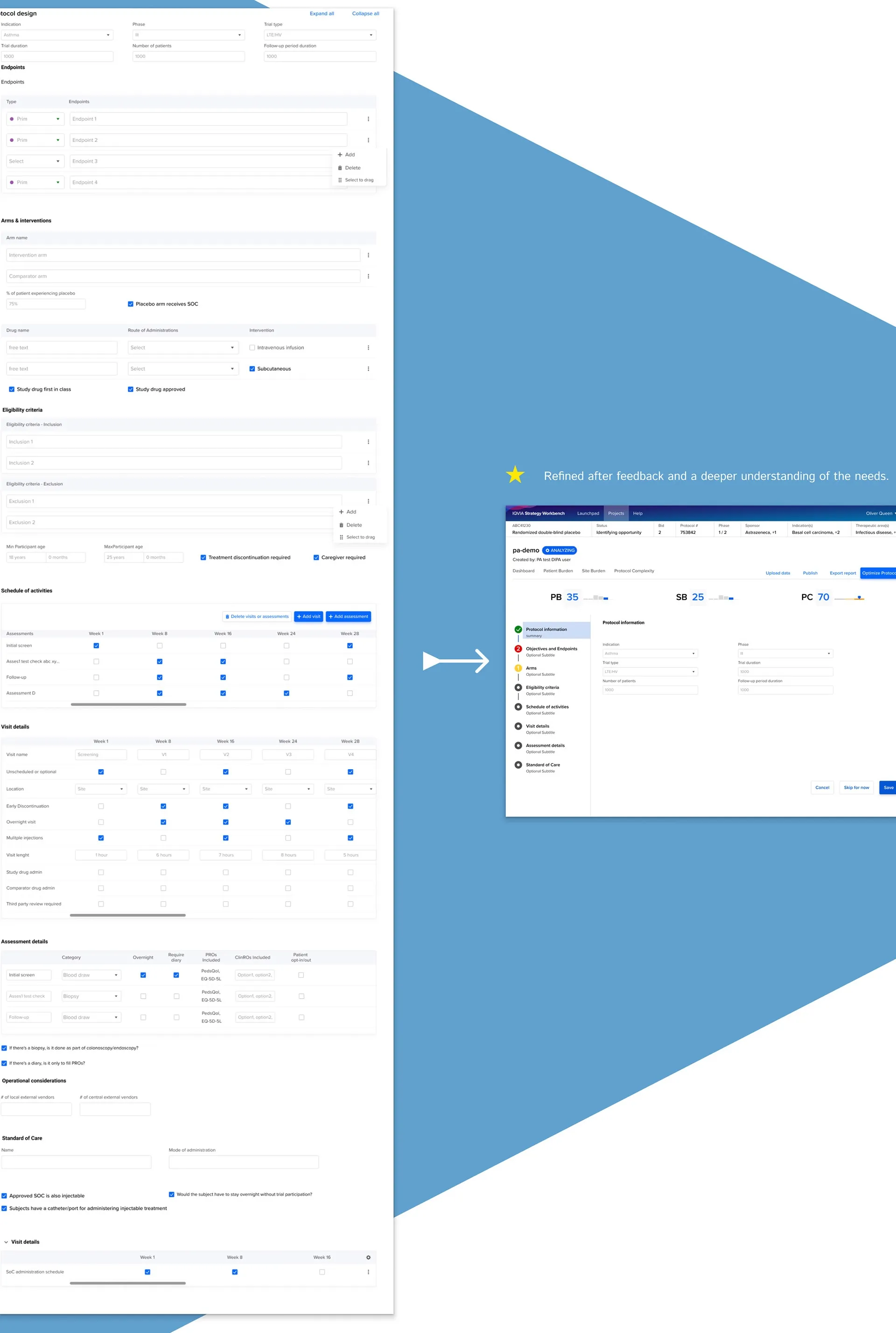
Solution visuals
Screens and visual references from IQVIA.

Related work
Adjacent projects.
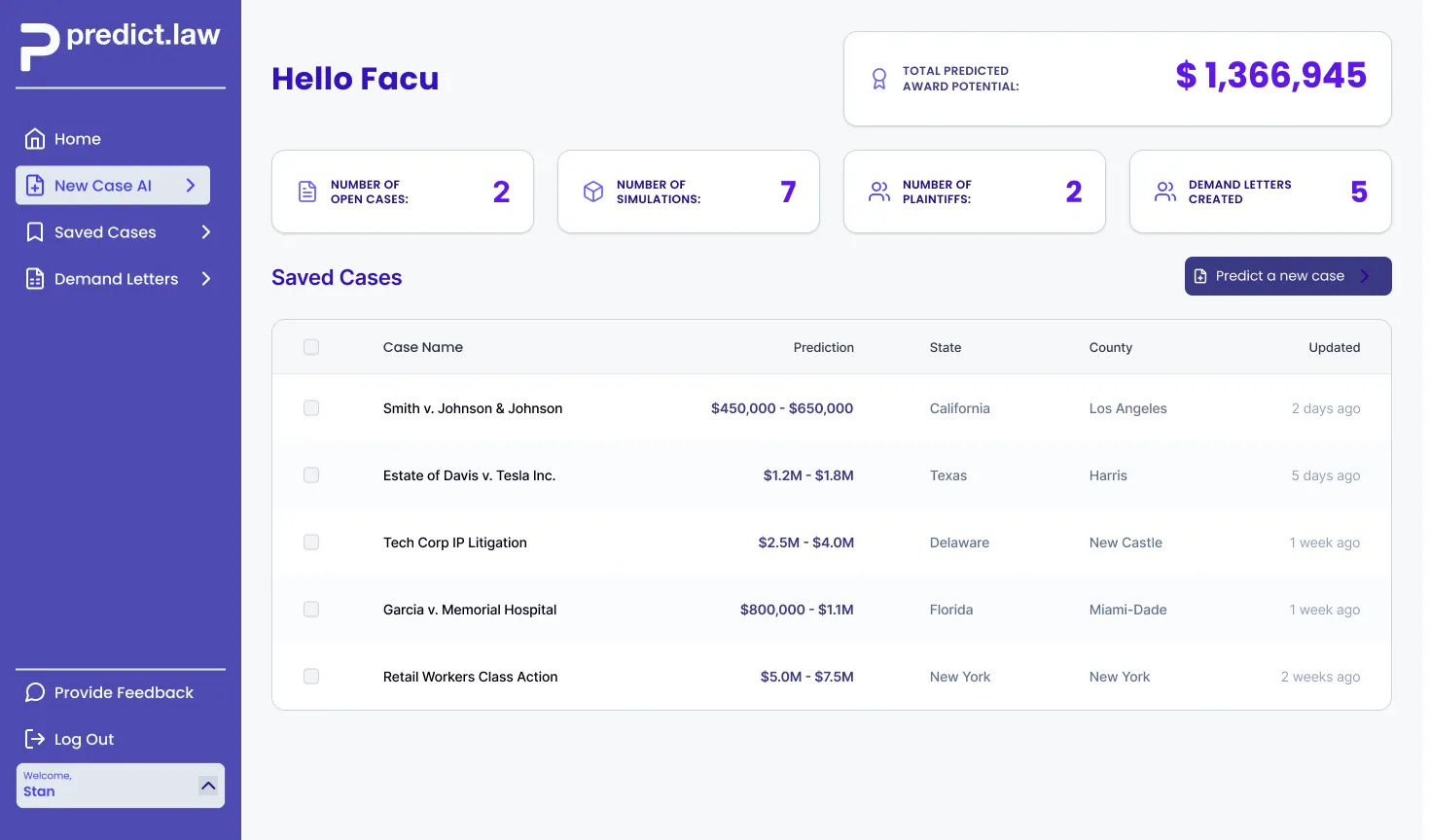
AI Legal Platform for Litigation Workflows
An AI-powered legal platform for plaintiff attorneys, rebuilt into a coherent, scalable product system across design systems, core litigation workflows, and mobile-first acquisition experiences.
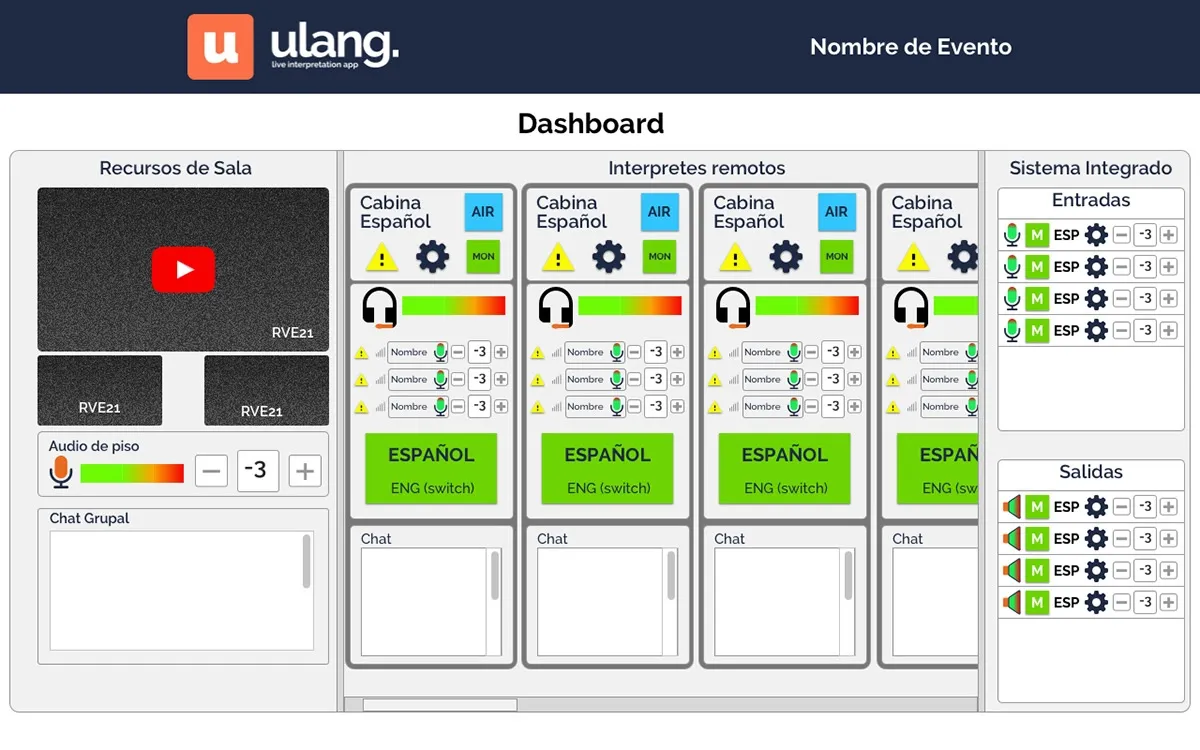
Ulang
Designed the end-to-end user experience for a professional video interpreting platform, from early wireframes and user flows to high-fidelity interfaces and developer handoff.